


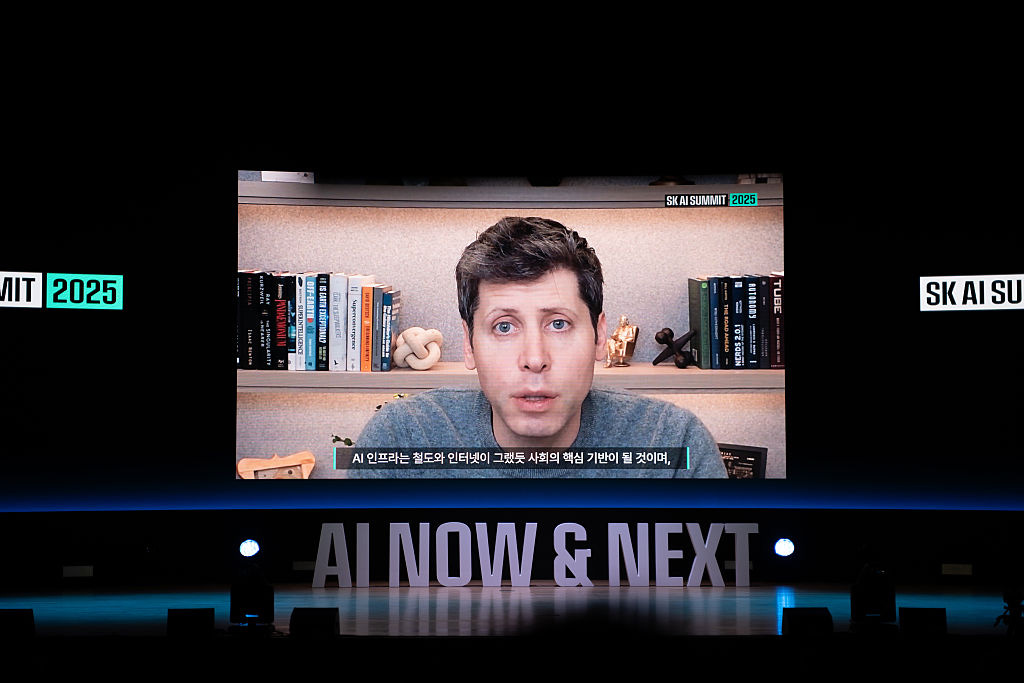
This story is part of MIT Technology Review’s Hype Correction package, a “series that resets expectations about what AI is, what it makes possible, and where we go next.” Thanks to Mat Honan for asking me to contribute.
In July, a widely cited MIT study claimed that 95% of organizations that invested in generative AI were getting “zero return.” Tech stocks briefly plunged. While the study itself was more nuanced than the headlines, for many it still felt like the first hard data point confirming what skeptics had muttered for months: Hype around AI might be outpacing reality.
Then, in August, OpenAI CEO Sam Altman said what everyone in Silicon Valley had been whispering. “Are we in a phase where investors as a whole are overexcited about AI?” he said during a press dinner I attended. “My opinion is yes.”
He compared the current moment to the dot-com bubble. “When bubbles happen, smart people get overexcited about a kernel of truth,” he explained. “Tech was really important. The internet was a really big deal. People got overexcited.”
With those comments, it was off to the races. The next day’s stock market dip was attributed to the sentiment he shared. The question “Are we in an AI bubble?” became inescapable.
