


Nearly every tech CEO I talk to right now is obsessed with two things: AI and prediction markets. In that order, but barely.
Yesterday, I interviewed Substack CEO Chris Best about his new integration with Polymarket, which he confirmed is the deepest outside partnership Substack has ever done. It lets writers embed live prediction market data directly into their posts, and Polymarket has joined Substack’s ads beta by paying select creators to include markets in their stories.
Best wouldn’t get into the financial details of the deal itself, though sources tell me Polymarket has paid X and other similar platforms for the same kind of exclusive partnerships. I pushed Best on why he chose an exclusive with Polymarket over also integrating with Kalshi. He deflected and said he wanted to find a partnership that “worked really well.”
What’s going on here is bigger than Substack. Prediction markets are subsuming the internet, whether you like it or not. They’re getting embedded into the surfaces where people already consume news, opinion, and analysis. Despite the strong, negative reaction many people have to what prediction markets represent, I expect more integrations like the one Substack announced in the coming weeks and months.
Best told me he’s a prediction market nerd who traces his interest back to the sci-fi-adjacent fascination that’s long animated a certain kind of tech founder. He pointed to two moments that made it feel real for him: watching prediction markets call election results faster than the New York Times needle, and using Polymarket odds on the TikTok ban to make an actual business decision about how Substack should prepare. “The fact that I could see a market signal on, hey, there’s a substantial chance that this event is gonna happen, and then potentially change how you plan your business, felt very powerful.”
There are real concerns here that Best acknowledged but didn’t fully resolve. Prediction markets sound elegant in theory: the wisdom of crowds, priced in real time. But as I told Best, the two questions that matter most are who is on the other side of the trade and how disputes get resolved. There’s also the bigger societal issue of whether betting on everything is even a good idea.
None of these issues are ironed out. Insider trading via prediction markets feels rampant, and meaningful cases to hold offenders accountable have yet to be filed. Polymarket specifically has historically used a crypto-based resolution mechanism, and credible research indicates significant token concentration. That means the people who hold the most tokens can effectively control outcomes. Best said he hadn’t gone deep on the specifics there but agreed that “if they have a resolver that doesn’t work, the market won’t work.”
What’s happening now is a land grab. The two main prediction market companies, Polymarket and Kalshi, are racing to embed themselves on every platform where people pay attention, and the CEOs of these platforms are mostly willing to ablige because they’re obsessed with what prediction markets represent. To this tech leader class, the potentially negative ramifications of how these markets actually work today are secondary to the long-term value they’ll bring. As Best put it to me: “I’m a ship and find out guy.”

Notion CEO Ivan Zhao this week on ACCESS
Thanks again to Ivan for coming on this week’s show. Listen or watch wherever you get podcasts.
The art of scooping on TBPN
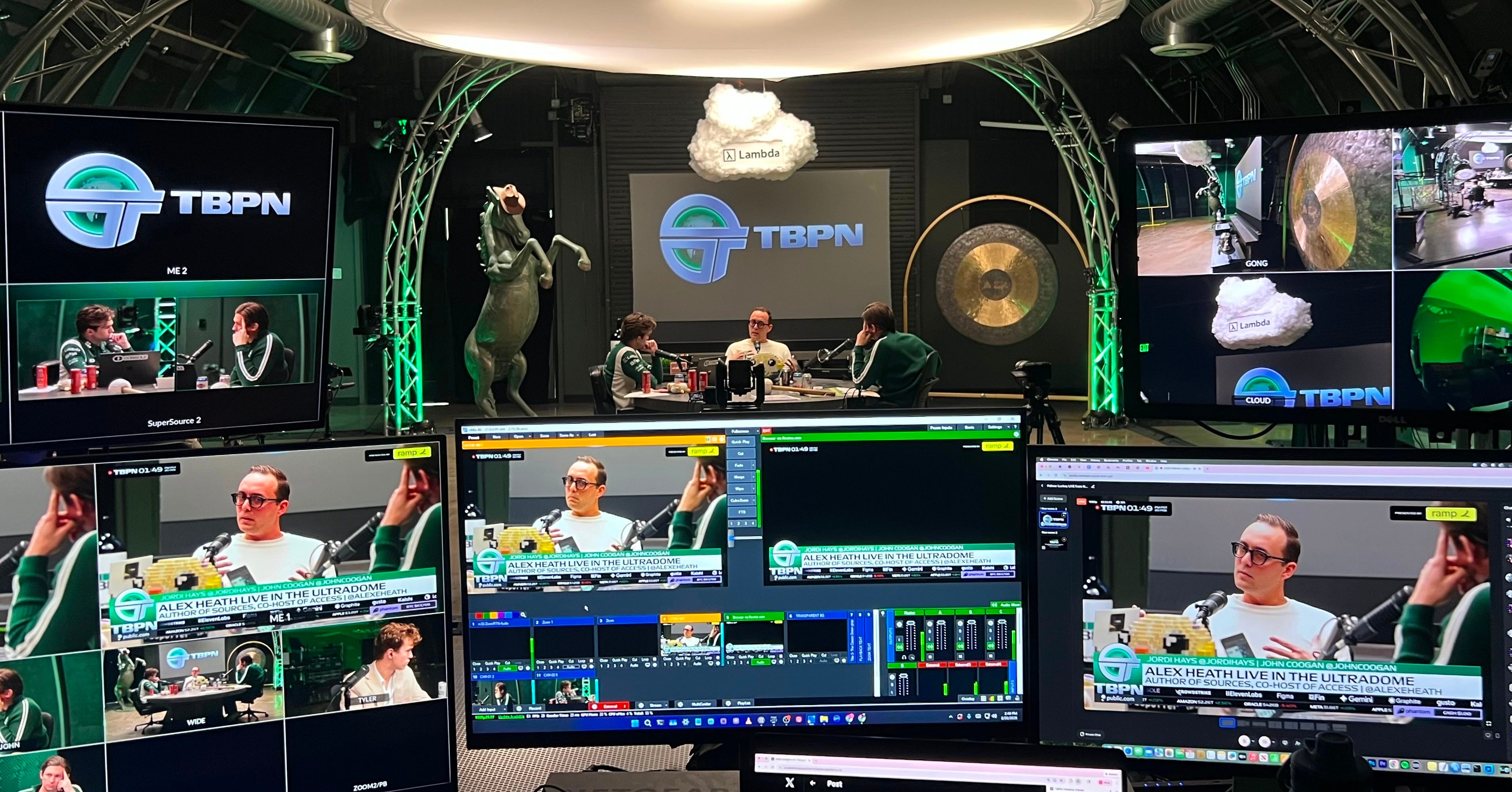
Thanks to John Coogan and Jordi Hays for having me live in the TBPN Ultradome earlier today. We talked about how I approach scoops, using AI, the state of tech media, prediction markets, and a lot more.
This week in Sources


Sources is a newsletter by Alex Heath about the AI race, featuring scoops, unique analysis, and exclusive interviews. Every week, Sources is read by thousands of decision makers in tech, finance, policy, and media. Click here to learn more.


